


Remote work has become the norm for millions of professionals, and on the surface, it seems ideal. No commute, flexible hours, and the freedom to work in sweatpants. But beneath the surface, many remote workers quietly struggle with motivation, burnout, and blurred work-life boundaries.
So if you’ve ever asked yourself, “Why do I feel tired even when I didn’t leave the house?” — you’re far from alone.
Let’s explore how to stay productive at home without burning out, backed by data, science, and some real-world tools.
The Hidden Burnout Problem in Remote Work
It’s easy to mistake flexibility for ease. But the lack of physical boundaries, constant screen time, and blurred lines between work and life can make remote work feel overwhelming. The numbers don’t lie:
- The numbers don’t lie. A 2023 Microsoft Work Trend Index report revealed that 54% of remote workers feel burned out, and 39% feel exhausted. (Source: Microsoft’s Work Trend Index)
- The World Health Organization officially recognized burnout as an occupational phenomenon caused by chronic workplace stress, and remote workers aren’t immune.

1. Reframe Productivity (It’s Not About Doing More)
One of the biggest productivity myths is that being busy equals being effective. But productivity isn’t about checking 20 things off a to-do list — it’s about getting the right things done, without draining your energy.
Try this instead:
- Use the 1-3-5 Rule: 1 big task, 3 medium ones, and 5 small ones per day.
- Prioritize tasks using the Eisenhower Matrix (urgent vs. important).
- Time Blocking: Schedule focused work and rest intentionally.
Aim for consistency, not perfection. Some days will feel lighter — that’s okay.

2. Build Recovery Into Your Routine
Recovery isn’t optional — it’s part of the productivity process.
One of the most overlooked pieces of productivity? Rest. Without physical boundaries like “leaving the office,” remote workers often skip breaks, work longer hours, and crash harder.
According to a 2022 study by the American Psychological Association, micro-breaks throughout the day improve focus and reduce fatigue.
Strategies to recharge:
- Follow the 52/17 Rule: Work for 52 minutes, then break for 17. Use the DeskTime app to track and manage these intervals.
- Use apps like Stretchly or Focus To-Do for Pomodoro-style intervals.
- Create a shutdown ritual at the end of your day: close your laptop, log out of tools, and physically move away from your workspace.

3. Design a Workspace That Supports You
Your environment impacts your brain more than you think. A messy or crowded workspace can overload your senses and make it harder to focus. Research has shown that clutter can impair your working memory, increase cortisol (stress hormone) levels, and lead to feelings of overwhelm.
(Source: The Conversation – What Clutter Does to Your Brain and Body)
Pro Tip: Keep your desk minimal. Clear away unnecessary items and only keep what you need within reach. A clean workspace helps your mind stay calm and sharp—especially during long remote work hours.
Fix your space:
- Create a separate work zone (even a tiny corner with a desk mat and lamp helps).
- Use natural light when possible; research shows it boosts productivity and well-being.
- Personalize your setup with calming visuals, plants, or a productivity playlist.
4. Protect Your Focus From Tech Distractions
Notifications, pings, and app-hopping are productivity killers. A UC Irvine study found that it takes an average of 23 minutes to refocus after an interruption. (Source: How Distractions At Work Take Up More Time Than You Think)
Here’s how to fight back:
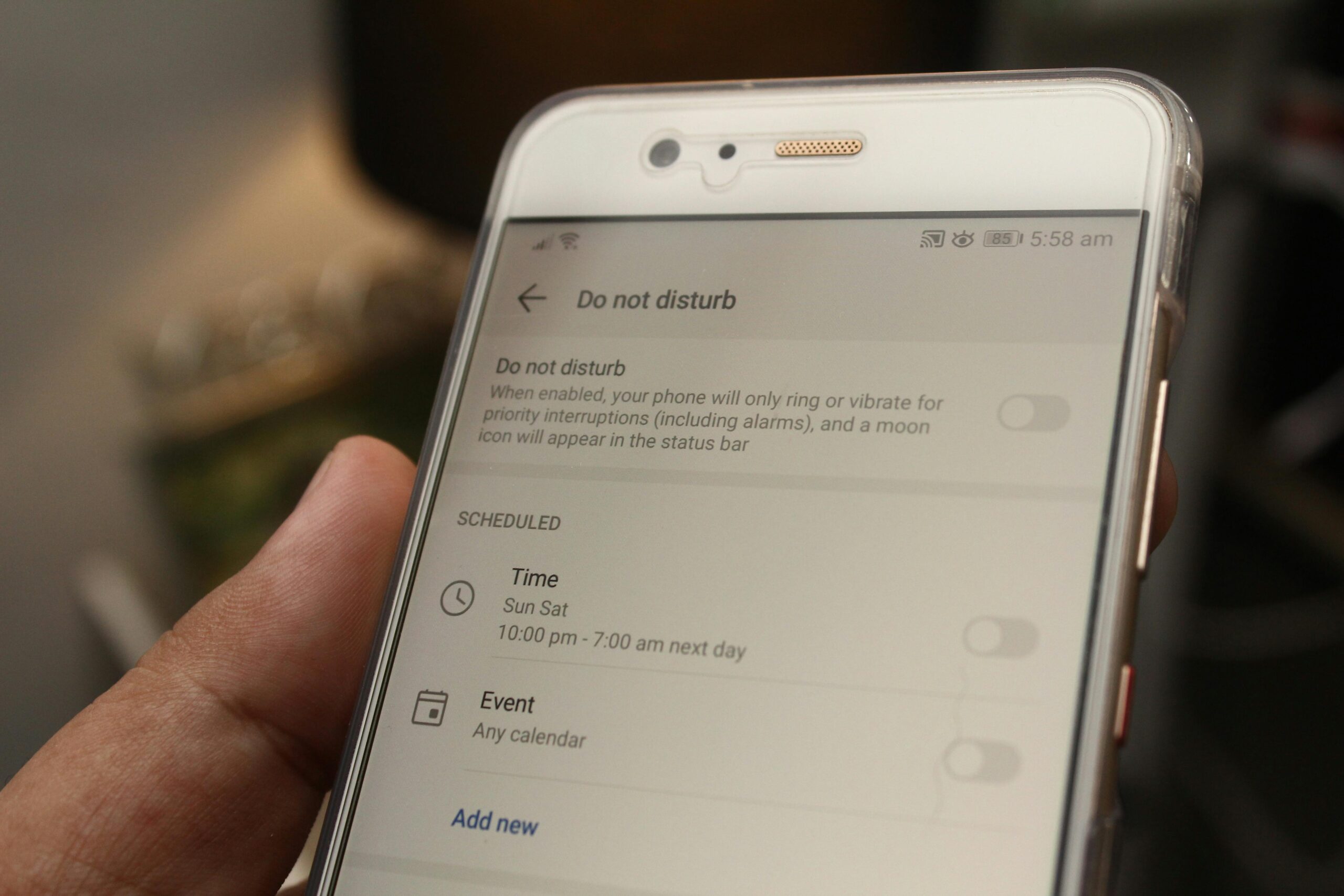
- Mute notifications during deep work hours.
- Schedule “email check-ins” 2–3 times a day instead of staying glued to your inbox.

5. Create a Rhythm (Not Just a Routine)
It’s easy to roll out of bed and dive into work, but that’s a fast track to burnout. Remote productivity thrives on rituals — intentional cues that mark the beginning and end of your workday.
Start and end your day with intention:
- Morning ritual: a 10-minute walk, journaling, or even just sipping coffee without your phone.
- Evening wind-down: tidy your space, stretch, or reflect on 3 wins from the day.
This creates mental separation between “work you” and “home you”.

6. Stop Doing It All Alone
Remote doesn’t have to mean isolated. One of the top challenges remote workers face is loneliness, with 23% reporting it as a struggle and 15% citing difficulties in collaboration and communication, according to Buffer’s 2023 State of Remote Work report.
Stay connected and supported:
- Join online coworking spaces or virtual accountability groups.
- Schedule regular check-ins with teammates or friends.
- Don’t be afraid to speak up if you’re overwhelmed — remote teams work best with open communication.
Sustainable Productivity Feels Light, Not Heavy
You don’t have to hustle 24/7 to prove you’re doing a good job. In fact, sustainable remote productivity is about creating a system that supports your energy, not drains it.
Burnout isn’t a sign of weakness. It’s a signal to realign your habits, your tools, and your expectations.
So take a breath. Step back. Refocus.
You’ve got this — and it doesn’t have to cost your well-being.
Download our free printable checklist—your go-to guide for building better routines, creating a productive workspace, and protecting your energy while working from home. Stick it near your desk, and let it serve as a gentle reminder that productivity doesn’t have to come at the cost of burnout.
👉 Download your Remote Work Productivity Checklist and start creating better routines today 👈